How to Modernize Defense Manufacturing Facilities Without Disrupting Production
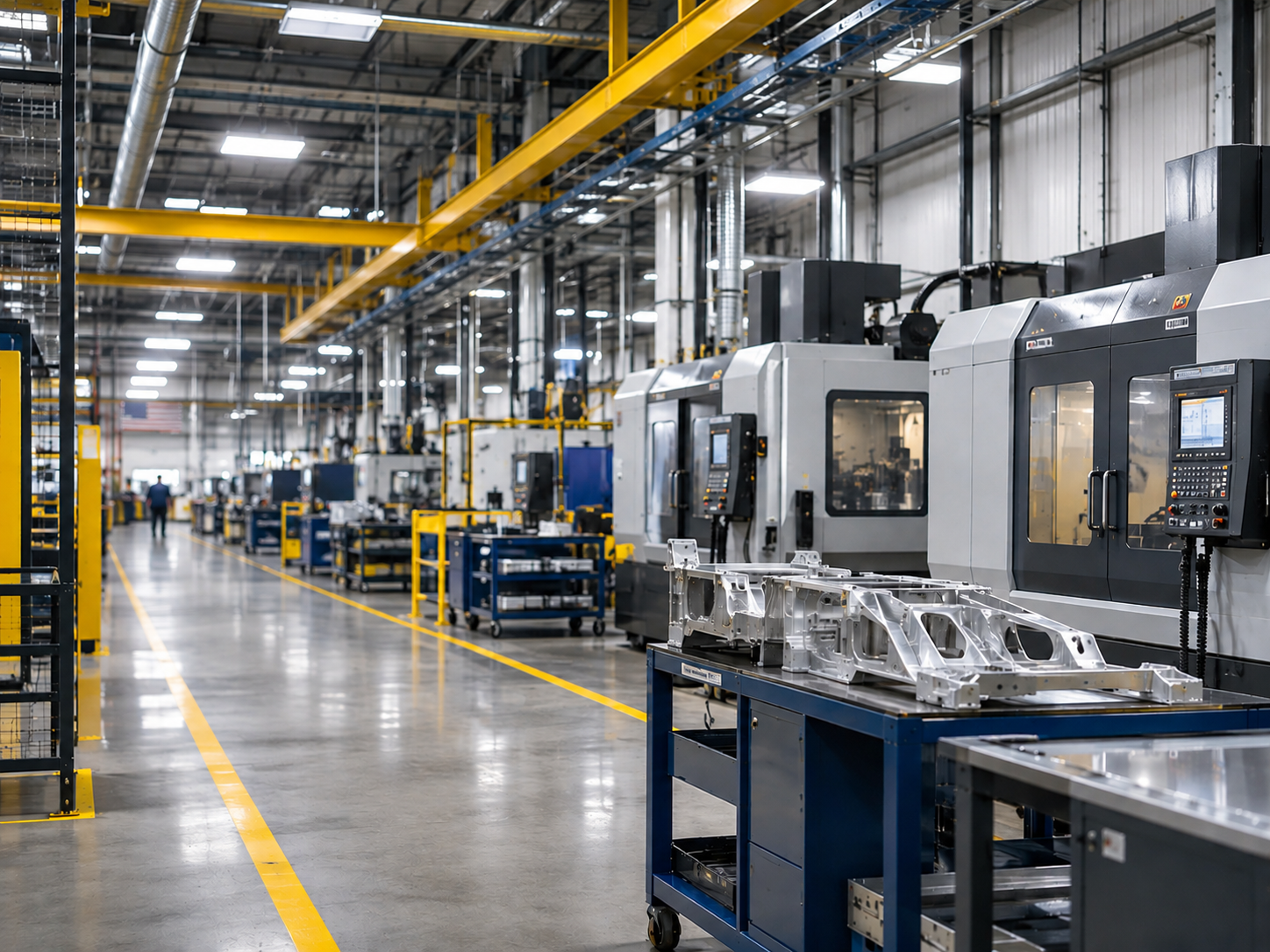
November 8, 2026Defense manufacturers face increasing pressure to expand production capacity, improve operational efficiency, and adapt to evolving program requirements. However, many manufacturing facilities were designed around equipment, processes, and production volumes that no longer reflect current operational needs.
Modernizing these facilities presents a significant challenge. Manufacturers must introduce new technologies, reconfigure production areas, and improve infrastructure while maintaining existing production schedules, quality standards, and delivery commitments.
A structured approach to defense manufacturing facility modernization helps organizations evaluate existing conditions, identify operational constraints, and plan improvements while minimizing unnecessary disruption to ongoing operations.
Challenges of Modernizing Existing Defense Manufacturing Facilities
Unlike new facility construction, modernizing an operational manufacturing plant requires working within established physical and production constraints. Existing equipment locations, building infrastructure, utility systems, and material handling processes can limit how manufacturers introduce new capabilities. Changes to one production area may also affect upstream or downstream operations.
Several challenges commonly influence modernization projects:
Limited floor space: Existing layouts may not accommodate additional equipment, workstations, or material storage without affecting production flow.
Aging infrastructure: Electrical distribution, mechanical systems, and other utilities may require upgrades to support modern equipment.
Production dependencies: Relocating equipment or modifying processes can interrupt connected manufacturing operations.
Material flow inefficiencies: Existing transportation routes and storage locations may create unnecessary movement, congestion, or handling requirements.
Implementation constraints: Equipment installation, commissioning, and construction activities must be coordinated with production schedules.
For defense manufacturers, these challenges can become more complex when production requirements involve specialized equipment, controlled processes, or demanding quality and traceability requirements. Addressing these constraints requires understanding how the entire manufacturing facility operates before implementing physical changes.
Evaluating Existing Facility Conditions Before Modernization
Successful facility modernization begins with an accurate understanding of current operations and infrastructure.
Manufacturers should evaluate existing equipment arrangements, production workflows, material movement, utility availability, and building conditions to identify limitations that could affect proposed improvements.
This evaluation establishes a reliable foundation for determining which changes are necessary and how they may influence existing operations.
Establishing Accurate Facility Documentation
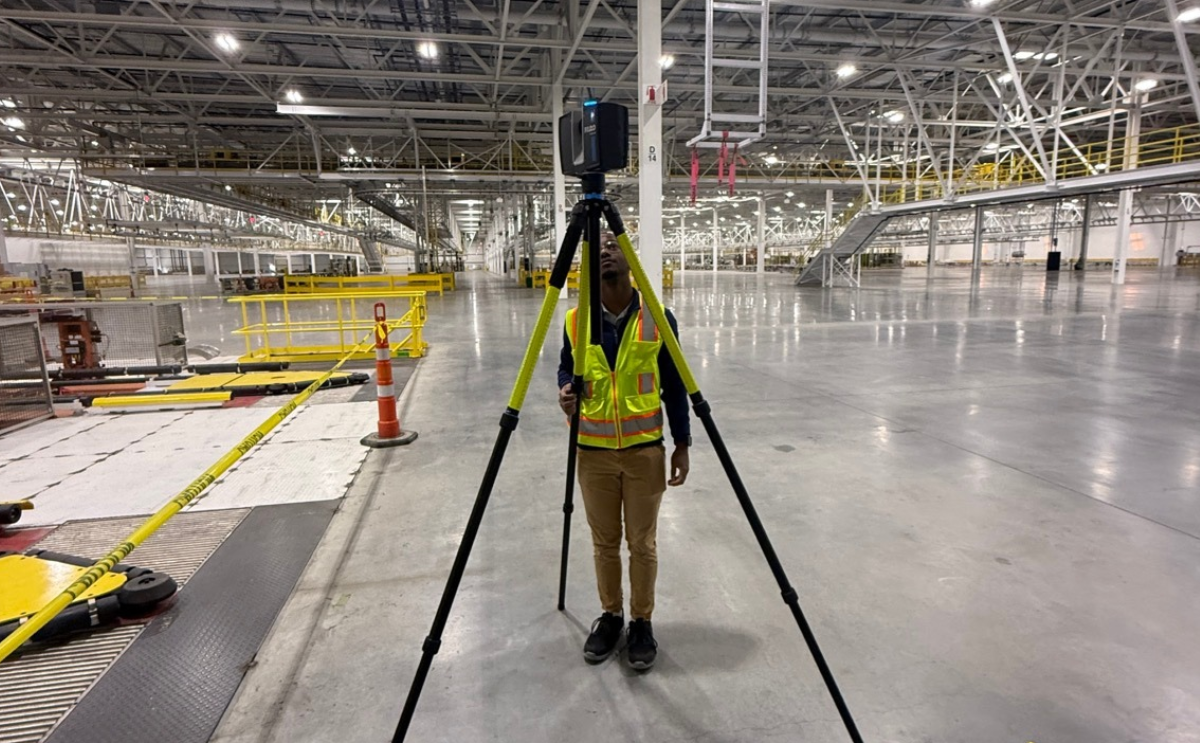
Outdated drawings and incomplete facility records can complicate modernization planning. Equipment may have been relocated, infrastructure modified, or production areas reconfigured without corresponding documentation updates.
3D laser scanning can capture existing facility conditions, while Building Information Modeling (BIM) supports the coordination of building systems and proposed modifications. Accurate facility information supports equipment placement, utility planning, and the identification of potential conflicts before construction or installation begins.
Identifying Production and Infrastructure Constraints
Physical facility conditions represent only part of the modernization challenge.
Manufacturers must also understand equipment utilization, process dependencies, production bottlenecks, and material handling requirements. Evaluating these factors helps distinguish improvements that increase overall manufacturing performance from changes that simply relocate existing constraints.
A structured evaluation, such as DSI's Manufacturing Maturity Assessment (MMA), can help manufacturers identify operational improvement opportunities and prioritize areas for further engineering analysis.
Planning Facility Upgrades While Minimizing Production Disruptions
Maintaining production continuity requires modernization activities to be coordinated with ongoing manufacturing operations.
Rather than approaching facility improvements as isolated construction projects, manufacturers should develop an implementation strategy that accounts for equipment availability, production schedules, and operational dependencies.
Phased Implementation and Equipment Relocation
A phased modernization approach allows manufacturers to introduce improvements in planned stages rather than modifying an entire facility simultaneously.
Depending on project requirements, this may involve:
Reconfiguring individual production areas before expanding into adjacent operations.
Scheduling equipment relocation during planned maintenance or production downtime.
Establishing temporary production or material handling arrangements.
Completing infrastructure upgrades before installing new manufacturing equipment.
Coordinating equipment commissioning with operational readiness requirements.
The appropriate sequence depends on the facility's production constraints and the relationships between affected processes. A phased approach does not eliminate every interruption, but it can help manufacturers identify necessary downtime, reduce implementation risks, and maintain greater control over production continuity.
Coordinating Facility Infrastructure and Production Requirements
Modernization projects frequently involve multiple engineering disciplines, including mechanical, electrical, industrial, and facility engineering.
Equipment modifications may require changes to electrical distribution, compressed air, ventilation, structural support, or material handling systems. Coordinating these requirements early helps reduce conflicts between facility modifications and manufacturing operations.
It also allows project teams to evaluate whether existing infrastructure can support future production requirements rather than designing improvements solely around immediate needs.
Using Engineering and Simulation to Reduce Modernization Risks
Proposed facility changes can appear effective in a static layout while introducing operational problems once implemented.
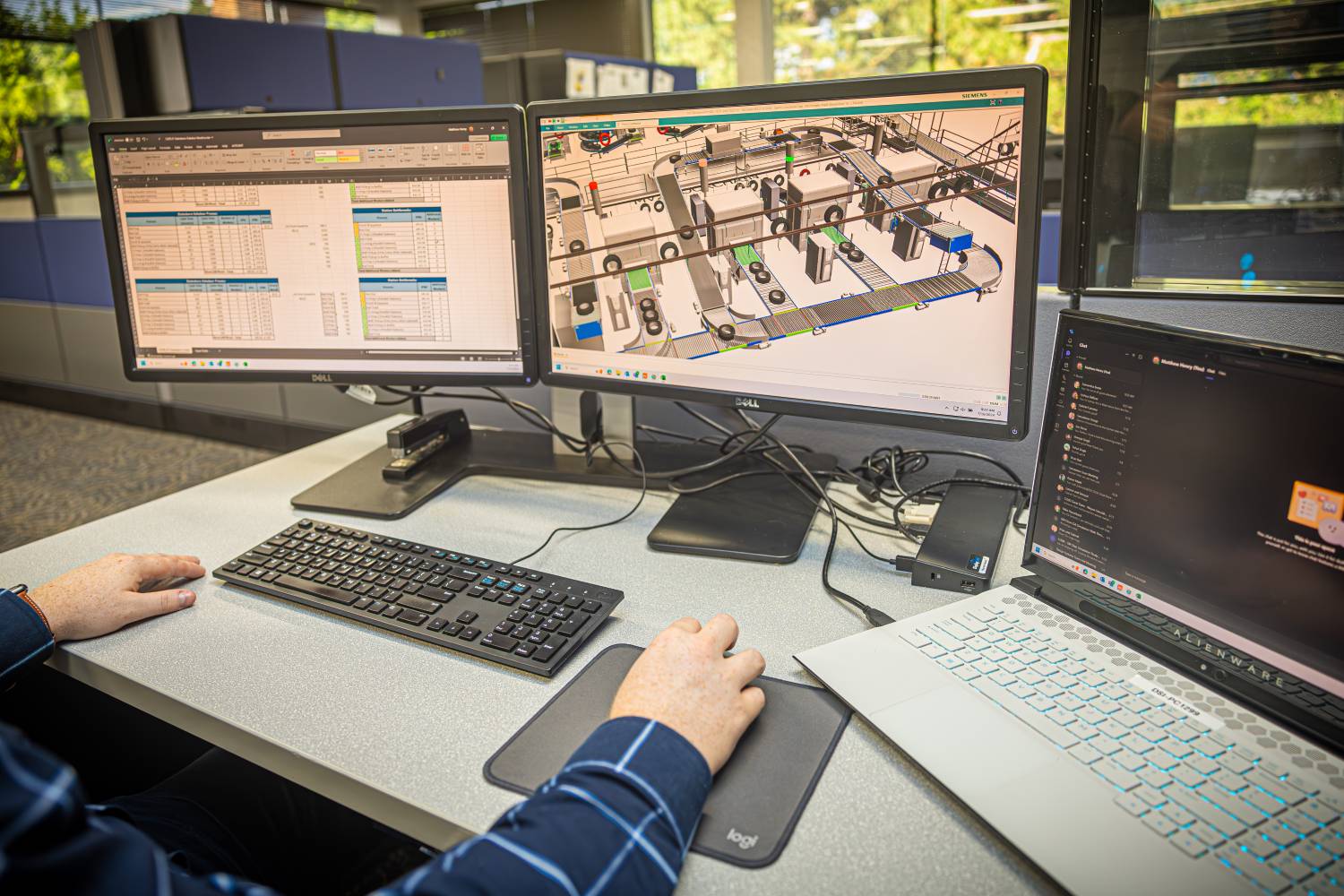
Manufacturing simulation and engineering analysis help organizations evaluate alternatives before committing to physical modifications. For example, adding equipment to increase production capacity may create congestion along existing material handling routes. Similarly, relocating an assembly operation may improve available floor space while increasing transportation distances between processes.
Simulation can help manufacturers examine how these changes affect throughput, equipment utilization, work-in-process inventory, and material movement.
By comparing potential operating scenarios, manufacturers can evaluate:
Whether proposed equipment arrangements support required production volumes.
How changes to material flow affect connected operations.
Where bottlenecks may emerge following equipment relocation.
Whether planned improvements provide sufficient capacity for future production requirements.
How alternative implementation sequences may influence operational performance.
These analyses support more informed decisions before manufacturers invest in equipment relocation, infrastructure modifications, or facility expansion. Simulation results depend on the quality of the assumptions and operating data used, making accurate facility documentation and production information essential.
How DSI Supports Defense Manufacturing Facility Modernization
Design Systems, Inc. supports manufacturers through the engineering, planning, and implementation activities involved in modifying existing production facilities. By integrating facility planning with manufacturing engineering, DSI helps organizations evaluate proposed changes within the context of actual production requirements.
DSI's capabilities include:
Facility Master Planning: Developing coordinated strategies for facility improvements, capacity requirements, and future expansion.
Facility Layout & Design: Evaluating equipment arrangements, production workflows, and material handling requirements.
3D Laser Scanning and BIM: Documenting existing conditions and supporting coordination between manufacturing equipment and building infrastructure.
Simulation Engineering: Analyzing production scenarios and evaluating the operational effects of proposed modifications.
Project Management: Coordinating engineering activities, implementation schedules, and project execution requirements.
These capabilities help connect facility modernization decisions with manufacturing performance, reducing the risk of implementing improvements that do not support broader operational objectives.
Preparing Defense Manufacturing Facilities for Future Production Requirements
Modernizing an existing defense manufacturing facility involves more than replacing aging equipment or updating building infrastructure.
Effective modernization requires understanding current operational constraints, evaluating future production needs, and coordinating improvements with ongoing manufacturing activities. By combining accurate facility information, engineering analysis, simulation, and phased implementation planning, manufacturers can make more informed modernization decisions while limiting unnecessary production disruption.
Planning improvements to an existing manufacturing facility?
Explore DSI's Defense Manufacturing Engineering Solutions or contact our team to discuss your facility modernization requirements.